
He Let Them Fail… Then Everything Changed
Two everyday CEOs navigating business decisions in a world that’s anything but predictable.
He Let Them Fail… Then Everything Changed — This Week on CEO’s Grind
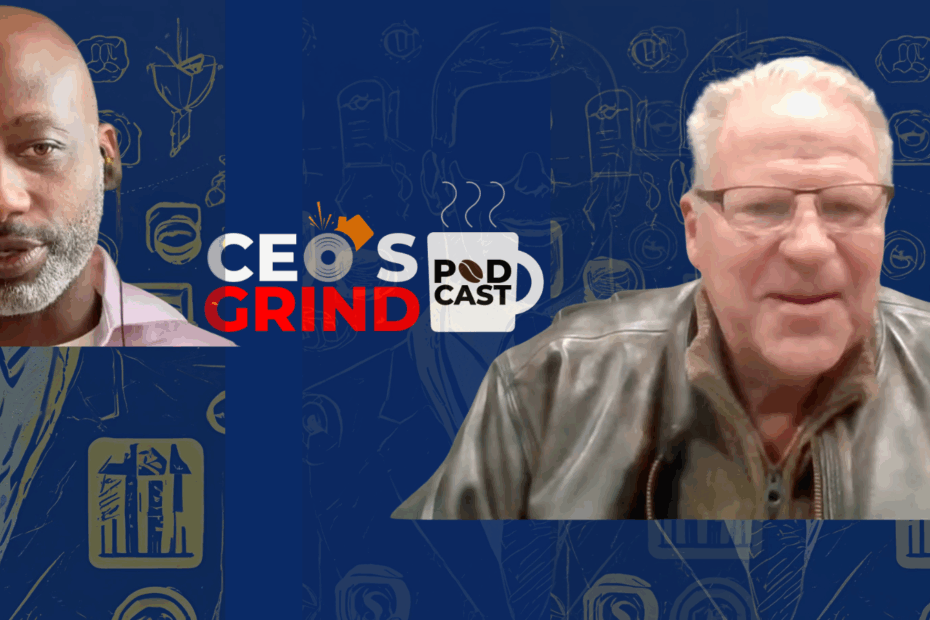
In a heartfelt and hard-hitting year-end episode of CEO’s Grind, Jay Silva and Wes Rosenberg pull back the curtain on what real growth looks like: from coaching field techs into confident leaders, to expanding a franchise empire, to facing down clients over unpaid invoices.
Wes begins with optimism—”everything is falling into place.” After years of coaching and refining processes, he’s watching his team finally “see the light.” But he didn’t get there by micromanaging. Instead, he adopted a bold leadership model: let them fail first. If employees want to try lower bids, let them. When the P&L comes back short, the lesson hits home. It’s costly, but the payoff is trust, independence, and loyalty.
Jay presses him: would he recommend that method to leaders without financial cushion? Wes is blunt—probably not. But for those who can afford it, short-term losses turn into long-term culture wins.
From there, the conversation pivots into Econo Sewer—Wes’s franchise expansion—and his 2026 goal of selling 10 locations through expos and travel. He’ll be there in person, sharing the vision straight from the horse’s mouth. But until then, the holidays call. Wes describes his tradition: handwritten Christmas cards for each of his 60 employees, each paired with a bonus check. It’s more than a gesture—it’s leadership with a personal touch.
Jay highlights Wes’s evolution from field-focused founder to systems-minded CEO. Post-divorce, with limited capital, Wes didn’t expand the fleet or facilities. Instead, he invested in people and processes. The result? Resilience and readiness. 2025 wasn’t just about surviving. It was about building a machine.
Wes then introduces a critical but rarely discussed topic: the “human factor” in estimating jobs. From GPS-tracking inefficiencies to strategic overbidding to account for “stroking,” Wes explains why planning for human behavior isn’t just smart—it’s essential. Jay challenges him: isn’t that just pricing in inefficiency? Wes reframes it as real-world economics. It’s not idealism. It’s survival.
To close the episode, Wes shares war stories: how he handled a customer who balked at paying after seeing an apprentice “handing screwdrivers,” and another who learned that screwing up credit can mess up more than your holiday season. Jay laughs but highlights the broader takeaway: know your leverage, and use it.
The duo closes with gratitude for their modest but growing subscriber base and teases more international insights from their trip to Brazil, where they met incredible CEOs and explored global opportunities.
This episode is a masterclass in grit, growth, and unapologetic leadership.